You've been behind the chair a few years, your book is steady, and one slow afternoon you finally do the math on your commission split. That's usually the moment the question arrives: should I be renting a booth instead?
It's one of the biggest decisions in a stylist's career, and there's no universally right answer — only the right answer for where you are right now. So let's lay both models out honestly: the money, the freedom, and the parts nobody puts in the recruiting flyer.
The Two Models, Side by Side

Commission makes you an employee of the salon. They provide the space, the products, the front desk, the marketing, and often the clients — and in exchange they keep a percentage of everything you bring in (commonly somewhere in the 40–60% range for the stylist). You get a W-2, a predictable structure, and someone else worrying about the toilet paper and the Instagram.
Booth rental (also called chair rental) makes you an independent business owner. You rent a station inside a salon for a set fee, and everything after that rent is yours. You set your prices, pick your products, keep your own books, and build your own brand. You get a 1099 and a lot more control.
The short version: commission is a job; booth rental is a business.
The Money: Who Comes Out Ahead?

This is the part everyone wants the number for, so here's the honest shape of it.
On commission, your pay scales with your sales but so does the salon's cut — earn more and you're still handing over your percentage on every ticket. On booth rental, your rent is fixed. Once you've covered it for the week, the rest of what you earn is yours to keep.
That fixed rent is the whole story. A booked-solid stylist almost always comes out ahead renting — you stop giving a percentage of your best weeks to someone else. But a slower or still-growing book is where commission's cushion matters: on a quiet week, rent is still due, while a commission check just gets smaller. Booth rental rewards a full book and punishes an empty one.
Freedom vs. a Safety Net

Money aside, the two models feel completely different day to day.
Booth rental buys you control: your own hours, your own service menu, your own retail lines, your own vibe at your station. Commission buys you a safety net: a steadier paycheck, sometimes benefits, and a salon that handles the marketing, the supplies, and the slow-season stress so you can just focus on hair.
Here's where we'll show our hand: we believe stylists do their best, most creative work when they own it. That belief is the entire reason Smith + Elliot is a collective of independent renters rather than a commission floor — when the person behind the chair owns their business, they show up differently, and clients feel it.
What Booth Rental Actually Costs You
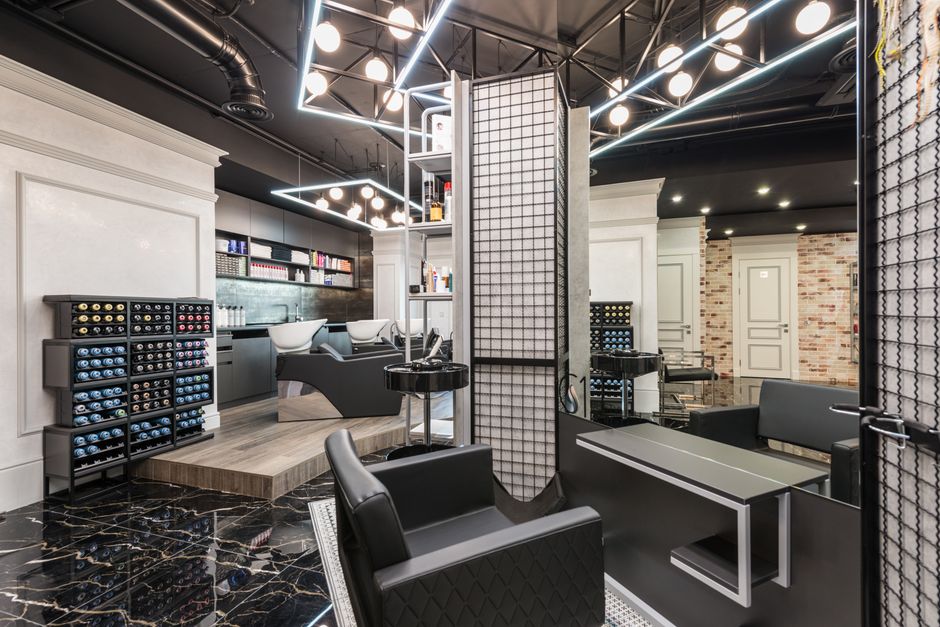
Renting isn't just "keep more money," and any honest salon will tell you so. When you go independent, you also take on:
- Your own supplies and back bar — color, tools, everything.
- Self-employment tax — roughly 15.3%, since no employer is splitting it with you anymore.
- Liability insurance and a business license.
- No built-in benefits or paid time off — a day off is a day unpaid.
- Growing your own clientele — the salon isn't feeding you walk-ins.
None of that is a dealbreaker, but it's the real cost of the freedom. Booth rental pays off when your book and your discipline are ready for it.
Which One Is Right for You?

Lean commission if you're newer behind the chair, still building a book, want the stability of a steady check and maybe benefits, and would rather someone else run the business side.
Lean booth rental if you have a steady, loyal clientele, you're tired of splitting your best weeks, and you're ready to trade the safety net for control and upside.
If you read those two paragraphs and felt yourself nodding at the second one, you're probably closer to ready than you think.
Making the Leap Without Going It Alone
The scariest part of booth rental is usually the word alone — trading a busy team for an empty room. But it doesn't have to be that.
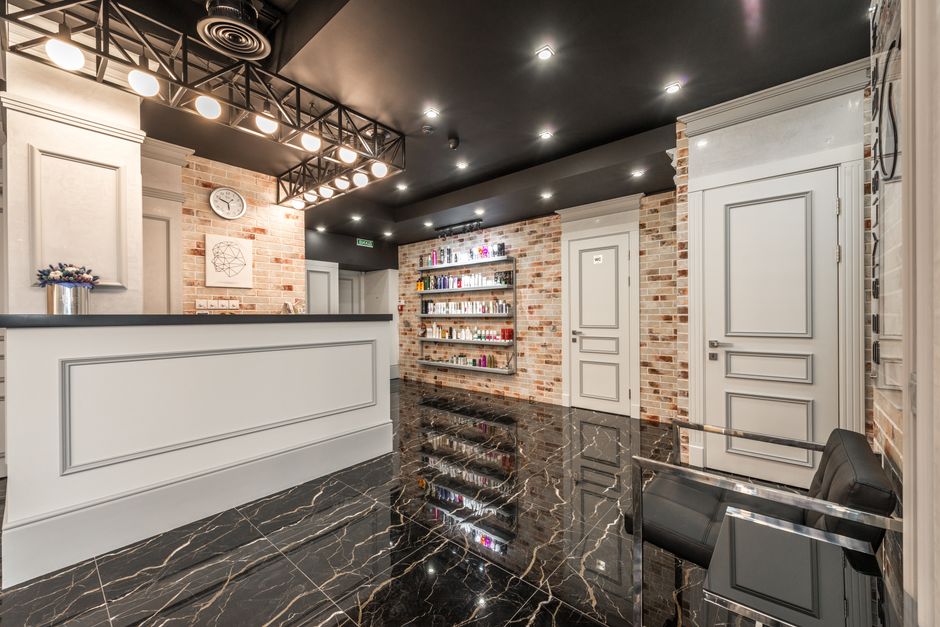
A collective is the middle path: full independence, but under one roof with other stylists who get it. You own your business and keep your earnings, and you still have people to bounce ideas off of and a professional space that makes you look good. That's exactly how we built Smith + Elliot — independent chairs in a beautifully restored salon in downtown Delafield, with chairs open now to stylists across Lake Country.
Frequently Asked Questions
Is booth rental better than commission?
Neither is universally better. Booth rental usually earns more for a stylist with a full, loyal book; commission offers more stability and support for someone still building. It comes down to your clientele and your appetite for running a business.
How much more can you make with booth rental?
The mechanism is simple: instead of giving the salon a percentage of every ticket, you pay a fixed rent and keep the rest. Once you've covered rent for the period, additional earnings are entirely yours — which is why booked stylists often come out ahead.
What are the downsides of booth rental?
You cover your own supplies, taxes, insurance, and benefits, and there's no safety net on a slow week since rent is due regardless. You're also responsible for growing your own clientele.
Do I need my own clients to rent a booth?
Essentially, yes. Booth rental works best when you bring an established book, since the salon isn't providing clients. If you're still building, commission may serve you better for now.
Is booth rental worth it for a new stylist?
Usually not right away. Most stylists spend time on commission to build a loyal clientele first, then move to booth rental once their book can comfortably cover the rent with room to spare.
The Bottom Line
Commission is a job with a safety net; booth rental is a business with a higher ceiling. Neither is a mistake — the right move is the one that fits your book and your goals today.
Chairs open now in Lake Country
If you're a stylist ready to be your own boss, we'd love to show you around Smith + Elliot in downtown Delafield.
Call or Text (262) 893-2887